
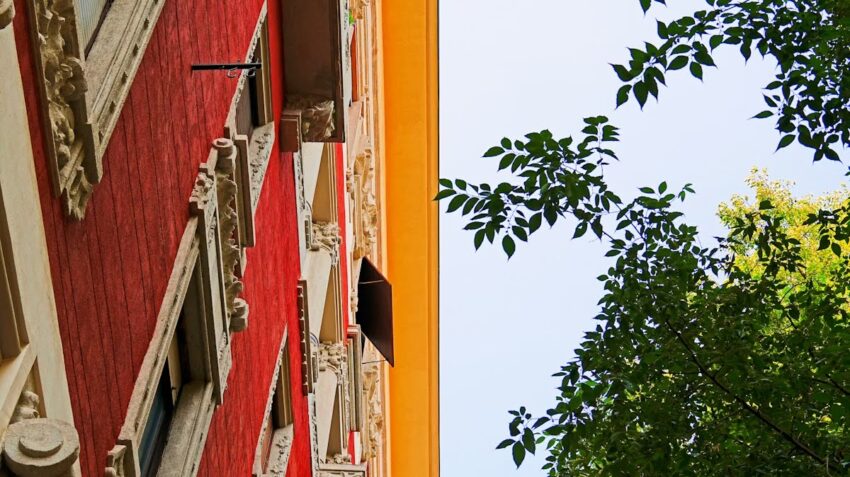
Repainting the exterior of a commercial building is more than a cosmetic upgrade—it is an investment in your property’s longevity, brand image, and structural protection. A well-maintained exterior creates a positive first impression on clients, tenants, and visitors while also shielding the building from environmental damage. However, repainting a commercial property requires careful planning and informed decision-making.
Before starting the project, it is important to evaluate several critical factors to ensure lasting results and cost-effective outcomes.
1. Condition of the Existing Exterior Surface
Before repainting begins, the current condition of the building’s exterior must be thoroughly assessed. Cracks, peeling paint, mold, rust stains, or water damage can prevent new paint from adhering properly. Ignoring surface issues often leads to premature paint failure and increased maintenance costs.
Power washing, patching, sanding, or repairing damaged materials may be necessary before painting starts. Addressing surface problems upfront ensures a smooth application and significantly extends the life of the new paint job.
2. Climate and Weather Conditions
Weather plays a major role in the success of any exterior painting project. Temperature fluctuations, humidity, rain, and wind can all affect paint adhesion and drying time. Commercial buildings exposed to harsh sunlight, heavy rainfall, or freezing temperatures require specialised paint products designed to withstand these conditions.
Planning the repainting project during favourable weather seasons reduces delays and ensures proper curing. Selecting weather-resistant coatings also helps protect the building from long-term environmental wear.
3. Colour Selection and Brand Image
Colour choice is not just an aesthetic decision—it directly impacts how your business is perceived. The exterior colour should align with your brand identity while complementing the surrounding environment. Neutral tones often convey professionalism and longevity, while bold accents can enhance visibility and recognition.
In some areas, zoning regulations or property management guidelines may restrict certain colour choices. Thoughtful colour selection helps maintain consistency with your brand and increases curb appeal without compromising compliance.
4. Hiring a Professional Commercial Painting Company
Working with a reliable commercial painting company is essential for achieving high-quality and durable results. Commercial projects are more complex than residential painting and require specialised equipment, safety measures, and skilled labour.
A professional painting company understands surface preparation, proper paint selection, and efficient project management. They also adhere to safety standards and minimise disruption to daily business operations. Hiring experienced professionals reduces the risk of costly mistakes and ensures the project is completed on time and within budget.
5. Long-Term Maintenance and Cost Planning
Repainting should be viewed as a long-term investment rather than a short-term fix. Choosing high-quality paints and coatings may involve higher upfront costs, but they offer better durability and lower maintenance expenses over time. Consider how often the building will require repainting based on its location and exposure.
Establishing a maintenance schedule helps preserve the exterior finish and prevents extensive repairs in the future. Factoring long-term costs into your decision-making process ensures better financial planning and sustained building protection.
Conclusion
Repainting the exterior of your commercial building requires careful consideration of surface conditions, weather, colour choices, professional expertise, and long-term maintenance planning. By evaluating these factors and partnering with a trusted commercial painting company, you can enhance your property’s appearance, protect its structure, and reinforce your brand image.